Why Are Hotels Combining Sauna and Steam Room Spaces in Modern Spa Designs?
News
Why Are Hotels Combining Sauna and Steam Room Spaces in Modern Spa Designs?
There is a point in many hotel spa projects when the brief stops being technical and becomes atmospheric.
A new sauna stops reading as a line item. A steam room stops reading as an addition. Attention turns to how the space unfolds in plan and in use, how guests arrive into it, how they move through it, and where they choose to linger. Decisions begin to relate. One room starts to shape the next.
This is where the sauna and steam room settle into a pairing. Not as separate features, but as a composed experience within a commercial sauna and steam room environment.
The most successful spaces treat heat as a sequence. Warmth builds, softens, then resets. Movement becomes intuitive. Guests slow down without being instructed.
When that flow is resolved with care, the spa holds people for longer and feels quietly complete, all within the same footprint.
Many spa refurbishments add facilities. Far fewer resolve how those spaces work together.
The shift in hotel spa expectations
Wellness now plays a direct role in booking decisions. Guests arrive with expectations already formed. The spa sits alongside the room, the restaurant and the overall stay.
They look for places that help them switch off and recover. Business travellers unwind at the end of the day. Leisure guests plan around time to relax.
This has changed how spaces are planned. Modern spa design focuses on experience, with environments that feel cohesive and easy to navigate. A sauna and steam room creates two distinct conditions (see our commercial sauna and steam room installations) within a clear sequence of heat, cooling and rest.
Why the pairing resonates with guests
Some guests prefer the clarity of dry heat in a timber-lined sauna. Others are drawn to the humidity and softness of a steam room. Offering both broadens the appeal of the space.
The contrast shapes the journey. Guests move between conditions, pause, cool down, then return to heat. The rhythm feels natural. Time stretches slightly.
This often translates into longer dwell times, higher utilisation and increased spend within the spa.
Designing with contrast and cohesion
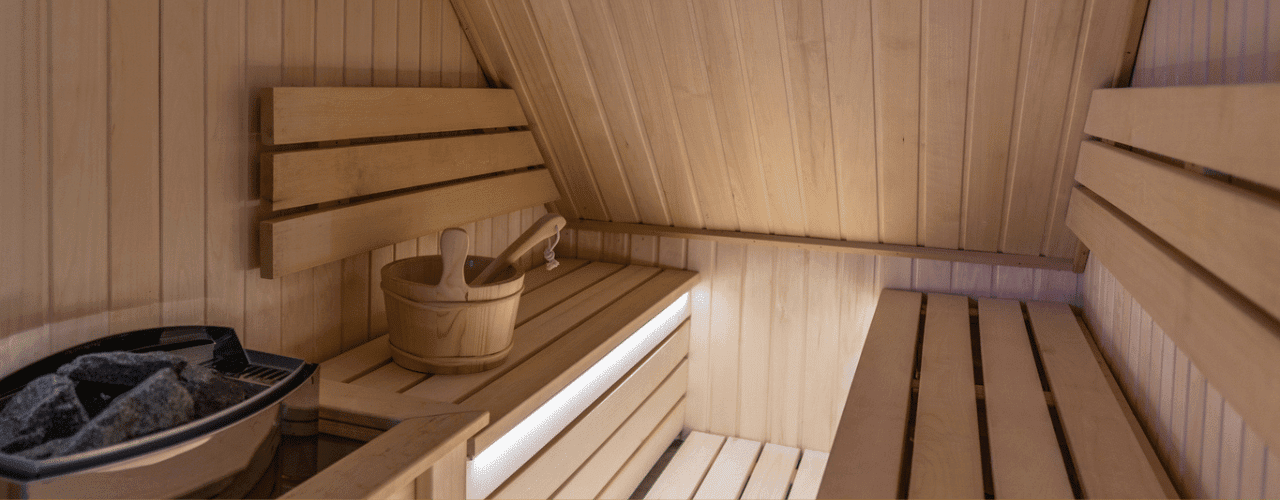
High-quality spas are defined by atmosphere and detail. A sauna introduces warmth, texture and structure. Timber, lighting and tiered seating create a calm, architectural setting that encourages guests to stay a little longer.
A steam room alters the mood. Tiled surfaces soften the space. Light diffuses. Humidity settles. The experience becomes quieter and more inward.
Placed together, they create a contrast that feels deliberate. When the relationship between these rooms is unresolved, the space reads as a collection. When it is handled well, it reads as a sequence.
Without that level of consideration, even well-finished spaces can feel underused.
Guests step between conditions, resetting temperature and pace as they go.
Design teams often use this pairing to guide movement through the space, moving from heat to cooling to rest. When it is handled well, the layout feels intuitive and the experience lingers.
Can combined wellness facilities increase guest engagement?
Many spas experience uneven usage across facilities. A broader offer encourages exploration. Guests move more, stay longer and use more of the space, which supports higher utilisation and improved revenue per guest.
In practice, quieter areas often begin to carry more consistent usage once variety is introduced.
In many spas, underused space is not a capacity issue. It is a layout issue.
Guests rarely use a spa in the order it was designed on paper. The layout has to guide them without instruction.
This is particularly relevant for:
- Luxury hotels
- Boutique wellness retreats
- Destination spas
- Resort developments
- Premium health clubs attached to hotels
A sauna and steam room combination supports a more flexible experience. In many projects, a well-planned commercial sauna and steam room layout becomes the anchor for the wider wellness space. Guests shape their own sequence, which makes the space feel more considered and more inclusive.
What should hotel operators consider during planning?
Design decisions need to reflect daily use. Capacity, peak usage, cleaning routines and maintenance access shape the layout. A sauna and steam room must perform operationally as well as visually.
In practice, well-designed spaces tend to run smoothly. Poorly resolved ones tend to require constant adjustment.
Early planning should address:
- Available floor space
- Guest capacity requirements
- Ventilation and mechanical systems
- Maintenance access
- Material specification
- Accessibility
- Integration with showers, pools and adjacent relaxation zones
Involving a specialist early tends to lead to a more resolved outcome. It also reduces the likelihood of late-stage changes and helps protect budgets and timelines.
Planning a hotel spa refurbishment or new wellness facility?
Speak to our sauna and steam room specialists to discuss commercial spa design, specification and installation support tailored to your project via our contact page, or explore our commercial sauna and steam room installations to see how similar spaces have been delivered in practice.
Are combined sauna and steam room facilities suitable for refurbishment projects?
Many hotels can upgrade without starting from scratch. Existing spaces often hold untapped potential. Adding a steam room alongside a sauna, or reworking underused areas, can create a more complete wellness offering within the current footprint.
The key consideration is fit. New elements need to align with guest flow, operational demands and long-term maintenance.
A well-planned refurbishment can refresh the spa, improve perception and extend its lifespan without a full redevelopment.
Why are hotels investing more heavily in wellness experiences?
Wellness now sits at the centre of the hospitality offer. A well-designed spa supports brand perception and guest satisfaction, while also influencing repeat bookings, length of stay and overall spend.
A sauna and steam room combination offers a clear way to expand the offer while maintaining a consistent level of quality and design, particularly when aligned with a considered steam room installation. It also helps position the property more confidently within the premium wellness market.
Leading hotels treat wellness as part of the core experience, not an addition to it.
Creating Commercial Wellness Spaces That Guests Remember
The strongest spa environments are defined by flow, comfort and long-term usability. A sauna and steam room combination introduces contrast, extends the guest journey and supports a more refined experience overall.
For hotels planning a refurbishment or a new development, specialist input helps bring these elements together in a way that works in practice as well as on paper.
It often comes down to how the rooms relate and how naturally movement flows between them.
Discuss your commercial wellness project with The Sauna & Steam Room Company or visit our Gillingham showroom to experience materials, layouts and finishes in person. Our team can advise on sauna and steam room design, specification, installation and long-term operational considerations for hotels, spas and hospitality environments.
Request Your Free Wellness Consultation Today!
Ready to create your dream sauna or steam room? Contact our expert team today to start designing a bespoke wellness experience for your home or business