Planning a Combined Sauna and Steam Room for Regular Everyday Use at Home
News
Planning a Combined Sauna and Steam Room for Regular Everyday Use at Home
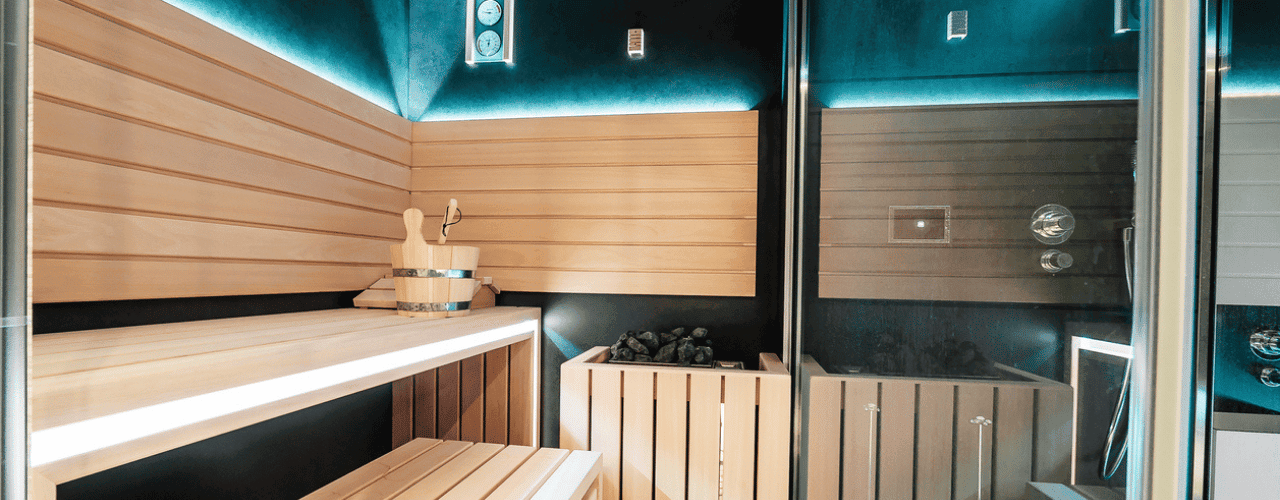
Planning a combined sauna and steam room for home use is not simply about fitting two heat experiences into one project. The real decision is how naturally the room will settle into the household’s rhythm once everyday life resumes. A beautifully finished space can still end up waiting for the right moment.
The rooms that tend to earn their place are the ones people return to without much thought. That usually comes down to comfort, layout and the sense that the room fits naturally into a normal weekday. The route into the space should feel simple, the controls intuitive, and the room just as suited to a twenty-minute session after work as to slower weekend use.
What home layout makes the routine feel straightforward?
Position within the home has a quiet influence on how often a combined sauna and steam room is used. A sauna and steam installation that sits close to a shower, changing area or bathroom route tends to be easier to fold into ordinary life. A room that sits too far from the main flow of the house can quickly become something you save for when there is more time.
In many homes, a combined sauna and steam room settles into the routine more easily when the layout creates as little friction as possible. The most effective layouts make the sequence feel straightforward: shower, heat, cool-off, then back into the house without the route feeling awkward or exposed. That kind of practicality also helps the room feel quieter and easier to step into.
For some homes, that means a bathroom-adjacent installation. Others suit a dedicated wellness room or a garden setting with more separation. The right choice depends on how you genuinely expect to use the room, not simply on where space is available.
A good layout makes the room easier to fold into the week. This is often where specialist guidance proves most valuable, because the success of the room is shaped as much by sequence and repeated use as by finishes alone.
Which layout feels better in daily use: one room, adjoining spaces or one wellness zone?
In practice, a combined sauna and steam room may take the form of adjoining sauna and steam spaces or a wider wellness zone that brings both experiences together with a shower or cooling area nearby.
Trying to compress everything into a single footprint is not always the most comfortable route. A room can look efficient on plan and still feel compromised in use, especially when two people are likely to move through the space differently.
Adjoining spaces often give each experience more clarity. A single wellness zone can also work beautifully when the sauna, steam and cooling-off sequence reads as one settled whole. The most suitable arrangement is the one that gives the household enough space to use the room comfortably, and to return to it in the way the week actually allows.
Which details turn occasional use into a habit?
In a combined sauna and steam room, small decisions often help determine whether the room becomes part of the week or stays reserved for spare time. Seating comfort matters. So do straightforward controls, especially when sessions are short. Lighting is sometimes given less attention than it deserves. A room that looks striking in daylight can feel far less inviting at 9pm if the lighting is too sharp or too cold. Materials also shape whether the space feels composed and calming, or a little harder to settle into than expected.
Post-use practicality matters as well. Drying behaviour, ventilation and the ease of a quick wipe-down all shape how ownership feels over time. None of these details seem glamorous during planning, yet they often decide whether the room still feels inviting on a Wednesday night or begins to feel faintly inconvenient.
Many households end up using the room in shorter, repeatable patterns than first imagined. Planning around those patterns usually produces a room that feels more comfortable, more natural to return to and more realistic to own.
What do homeowners often underestimate about everyday ownership?
Many homeowners can picture a combined sauna and steam room clearly. What they are less prepared for is the rhythm of owning it. Drying it properly and cleaning it comfortably sound like small concerns, yet they often shape whether the room stays woven into the household’s rhythm.
The room may be easy to imagine during design, but everyday ownership is shaped by more ordinary things. Moisture has to leave the room properly. Surfaces need to dry at a sensible pace. The space should be easy to wipe down, and maintenance access has to be allowed for properly. These details become more important once the room is in regular use, particularly when sauna and steam functions sit close together within the same scheme.
Evening atmosphere can also be easy to overlook. Regular ownership is more likely to involve early mornings, dimmer evenings and shorter sessions fitted around the rest of life. Lighting, privacy and materials need to remain reassuring in those moments too.
Long-term enjoyment depends on choices made early. Good aftercare, sensible finishes and clear maintenance access all help the room stay reassuringly straightforward in regular use.
Homeowners exploring saunas, steam rooms and wider residential wellness spaces usually benefit from thinking about ownership as early as design. The rooms that tend to age best are often the ones that stay calm, comfortable and uncomplicated in regular use.
How does family or shared use change the design brief?
Shared use can change the brief for a combined sauna and steam room more than first expected. One person may prefer the clarity of the sauna, while another is drawn more naturally to the slower warmth of steam. Some homeowners want a quiet solo routine. Others imagine the room as part of a family rhythm or a calmer end to the evening.
A well-planned room does not force everyone into the same pattern. It allows different preferences to sit comfortably within one scheme. That can influence seating, circulation and the amount of cooling or transition space nearby.
When this is planned well, the room can support different rituals within the same household, from quiet solo use to a shared pause at the end of the day. Much of the emotional value of a home wellness space can sit here, in the way the room gives back a little calm at the moments it is most needed.
Why speak to a specialist before fixing the final design?
Most homeowners can picture the mood of a combined sauna and steam room before they know how the layout should really work. That is often where design choices become less clear: how much separation each heat experience needs, how the room should connect to a shower or cool-off area, and which details will keep the space practical long after installation.
The most satisfying projects usually come from a design conversation that balances atmosphere, practical planning and the realities of daily use from the outset. The right conversation helps clarify how the sequence should feel in use and what will keep the room comfortable to return to once the installation is no longer new.
A well-planned room is more likely to earn its place by becoming part of the household’s rhythm, not simply by making a strong first impression.
At The Sauna & Steam Room Company, we help homeowners plan premium wellness rooms that feel as satisfying in daily use as they do on first impression. To start planning your combined sauna and steam room, speak to our specialists or visit our Gillingham showroom to explore layouts and finishes in person, and to see how the right room can feel in practice.
Request Your Free Wellness Consultation Today!
Ready to create your dream sauna or steam room? Contact our expert team today to start designing a bespoke wellness experience for your home or business